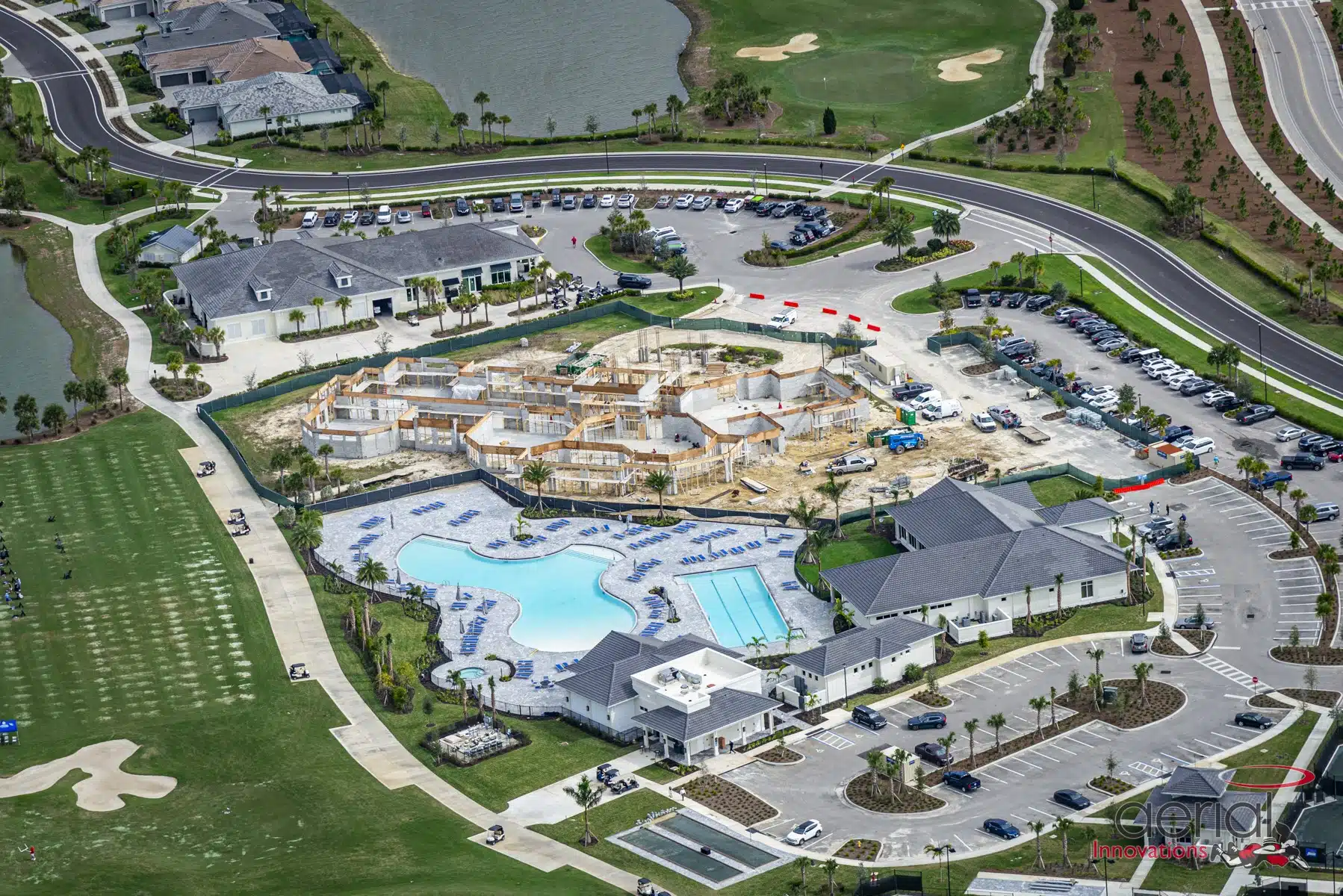
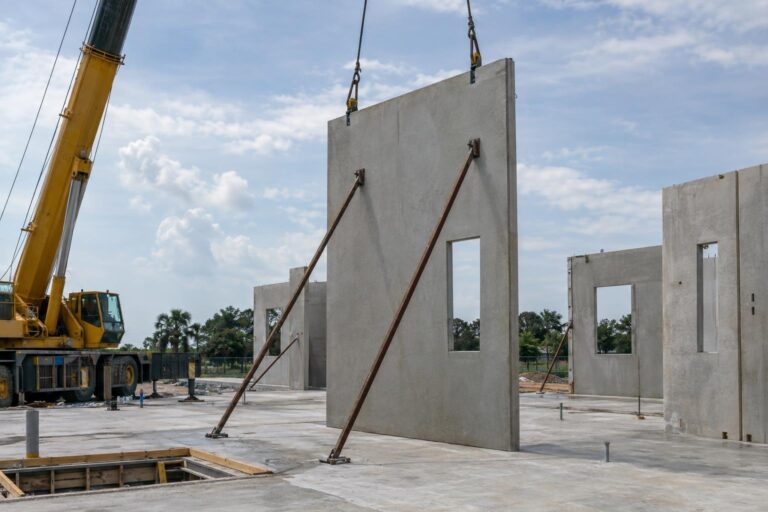
Featured image: AI-generated illustration.
Concrete curing in Florida is often discussed as a waiting period, but curing is an active part of the work. It involves maintaining conditions that allow newly placed concrete to develop the properties required by the project. Heat, sun, wind, rain, humidity, member size, mixture, finish, and intended use can all affect the plan. That is why a single internet timetable cannot tell an owner when every slab, pool deck, foundation, wall, or structural element is ready for traffic or follow-on work. The approved specifications and responsible project professionals should establish the method, duration, protection, and loading decisions.
Understand What Concrete Curing Is Meant to Do
Cement reacts with water through hydration. Curing supports that process by controlling moisture and temperature after placement. The goal is not simply to make the surface look dry. In fact, surface appearance can be a poor guide to what is happening within the concrete or whether the project’s requirements have been met.
Curing and drying are different concepts. Curing supports strength and durability development, while drying describes moisture leaving the concrete. A floor-covering project may later require moisture evaluation even after the concrete has been cured. The project team should avoid using “dry” and “cured” as interchangeable approval terms.
The American Concrete Institute provides a concise explanation in its concrete curing topic resource. It describes curing as maintaining satisfactory moisture content and temperature so desired properties can develop. The project specification should translate that general principle into requirements for the actual work.
Southwest Structural Inc provides residential and commercial concrete services in South Florida. Its concrete services overview helps owners identify the relevant scope, but it does not replace the curing requirements written for a particular project.
Plan for Florida Weather Without Relying on Assumptions
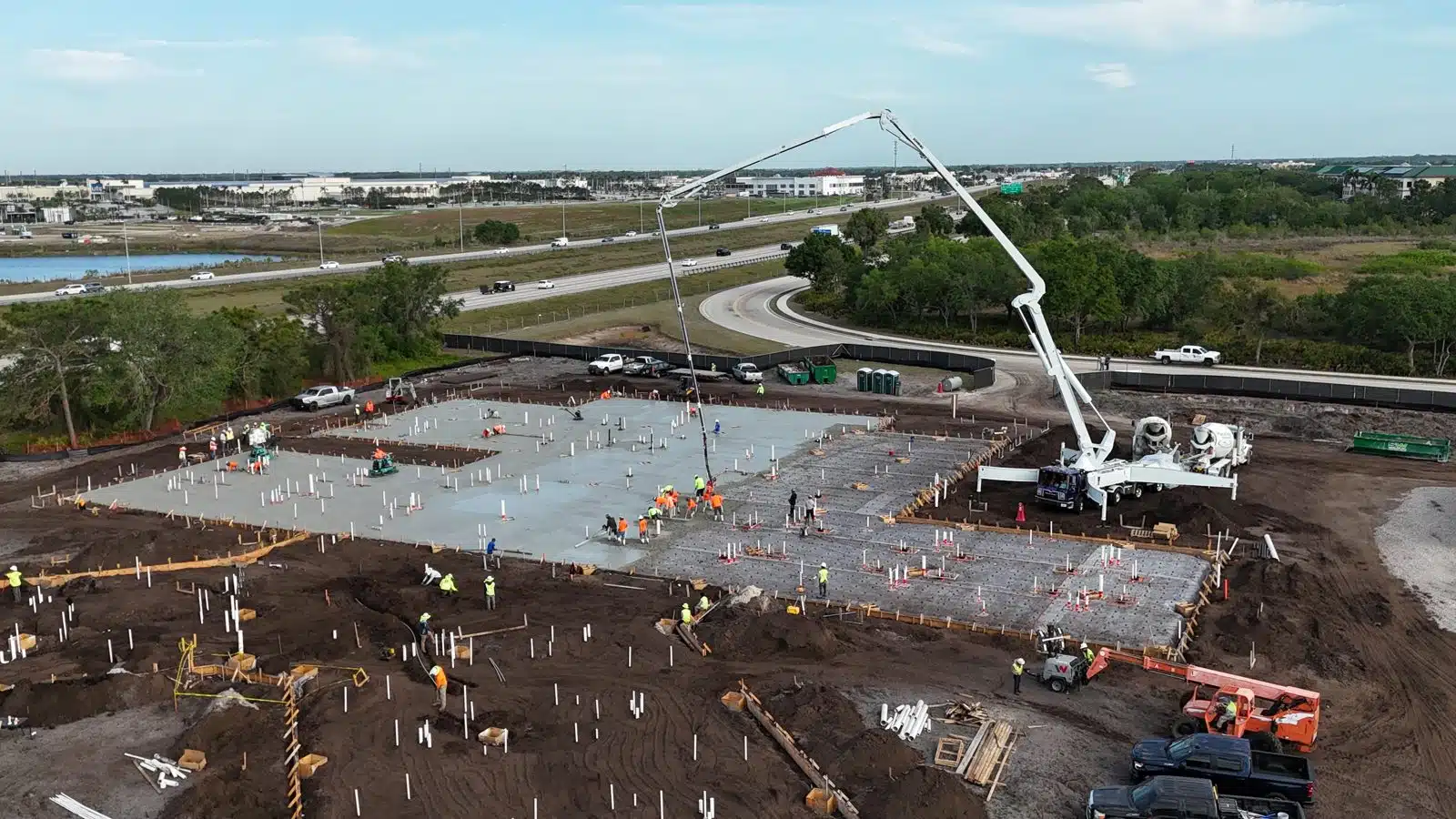
Florida conditions make advance planning important. Direct sun and wind can affect exposed surfaces. Warm conditions can change the pace of the operation. Sudden rain can disrupt finishing or damage unprotected work, while lightning can stop outdoor activity. High humidity does not eliminate the need for a curing plan, and an overcast day is not automatic protection.
The team should review the actual forecast, placement time, member geometry, exposure, approved mixture, finish, and specification. Identify who monitors conditions and who can change or delay the operation. Have the specified curing materials and protection available before placement begins. Searching for materials after finishing starts can leave the crew without the planned method at the critical time.
Weather planning should include the period after the crew leaves. Barricades, coverings, irrigation, roof drainage, landscaping work, and other trades can affect new concrete. A nighttime storm may change conditions even when the placement itself occurred in clear weather. Assign responsibility for monitoring and maintaining protection.
Do not convert general climate observations into mixture or construction instructions. The supplier, contractor, design professional, and testing personnel should address technical changes through approved project procedures. Owners can ask how the plan responds to expected conditions and how changes will be documented.
Match the Curing Method to the Approved Work
Curing may use water, coverings, membrane-forming materials, forms left in place, or other specified methods. The correct choice depends on the element, finish, later coatings or flooring, exposure, and project requirements. A method suitable for an exterior structural element may conflict with a later flooring system or architectural finish.
Review compatibility early. If another trade will apply a coating, adhesive, waterproofing product, or floor covering, its approved requirements may affect product selection and surface preparation. The project team should coordinate these interfaces through submittals and specifications rather than asking the field crew to choose from memory.
Coverage and continuity matter. Edges, corners, penetrations, vertical surfaces, and areas disturbed by traffic can lose protection. The contractor should follow the approved method and document significant disruptions. Required testing and observations should continue according to the project plan.
Curing practices do not create a guarantee against cracking or other performance concerns. Concrete behavior depends on design, materials, joints, reinforcement, support, placement, finishing, curing, exposure, and use. When an existing slab shows distress, a qualified assessment should address the specific condition. Avoid absolute statements that a crack or corrosion can always—or never—be repaired.

Control Access and Make Loading Decisions From Evidence
Owners naturally want to know when they can walk, build, store materials, or drive on new concrete. The answer is project-specific. Member type, design, mixture, weather, curing, test results, intended load, and specifications all matter. A familiar number of hours or days should not override the responsible professional’s criteria.
Use visible barriers and a clear communication plan to control access. Identify who can authorize foot traffic, equipment, stored material, form removal, shoring changes, or follow-on construction. Make sure subcontractors and facility staff receive the restriction, not just the concrete crew.
Where test results or field-cured specimens are part of the acceptance plan, use them as specified. Do not treat an informal surface check or a project photo as proof of strength. Likewise, the calendar date alone is not evidence that a structural element can accept a planned load.
Document the curing method, start time, observed conditions, protection, interruptions, and authorized changes as the contract requires. Good records help the team communicate and evaluate the work without overstating what a photo or checklist can prove.
Coordination with later trades should begin before placement. Flooring, coating, waterproofing, masonry, framing, equipment installation, and stored materials can introduce requirements or loads that the concrete team does not control. The superintendent should place those activities on a shared schedule and identify the approval needed before they begin.
Owners evaluating existing concrete should separate visible symptoms from conclusions. Surface discoloration, cracking, moisture concerns, or corrosion staining can have different causes and repair options. A qualified assessment of the actual element, environment, documents, and intended use is more reliable than an absolute online statement that a condition is harmless, permanent, or impossible to repair.
For a new project, ask bidders to state the curing-related scope in writing. The proposal can identify the method assumed, who supplies and maintains protection, how long that responsibility continues, and which later activities are outside the concrete contractor’s control. The final contract and approved submittals should resolve those points before the placement, rather than leaving the owner to infer them from a general description.
Frequently Asked Questions
Is curing the same as waiting for concrete to dry?
No. Curing manages moisture and temperature so concrete can develop intended properties. Drying concerns moisture leaving concrete and may be evaluated separately for flooring or coating work.
Does Florida humidity cure concrete automatically?
No. Humidity is only one condition. Sun, wind, temperature, rain, member geometry, materials, and the specified method all affect the plan.
When can a new concrete surface be used?
Use should follow the project-specific requirements and authorization. Avoid relying on a universal timeline for foot traffic, furniture, construction equipment, vehicles, form removal, or structural loading.
Who determines the curing requirements?
The contract documents and responsible design professionals typically establish the requirements, while the contractor implements the accepted method and project quality personnel verify work as assigned.
To discuss a residential or commercial concrete scope and its project-specific coordination needs, contact Southwest Structural Inc or call (239) 410-3943. SSI serves South Florida from Punta Gorda and can review the current documents before preparing an estimate.